

Craving sweets is something I’ve struggled with on and off throughout my life. For a while, I assumed it was simply a lack of willpower, but with more experience and research, I realized sugar cravings have deeper roots. There are several natural strategies that have helped me cut back on these urges and feel more in control. Here, I want to share what I’ve learned about reducing sugar cravings naturally and why these cravings pop up in the first place.
Why Do Sugar Cravings Happen?
Sugar cravings are a common experience, and a lot of factors drive them. My cravings usually hit hardest after a night of poor sleep or on days when I skip meals. Science backs this up. Low blood sugar, lack of sleep, stress, hormonal shifts, and certain habits can all crank up the desire for something sweet. Sometimes, these cravings come from emotional triggers, like seeking comfort after a long or stressful day (Qin D, et al.).
Processed foods that are high in sugar and refined carbs can create a cycle where your body gets used to quick doses of sugar. This messes with insulin and blood sugar levels, often leading to stronger cravings later. Personally, I realized that the more I reached for sweet snacks, the harder it was to say no the next time.
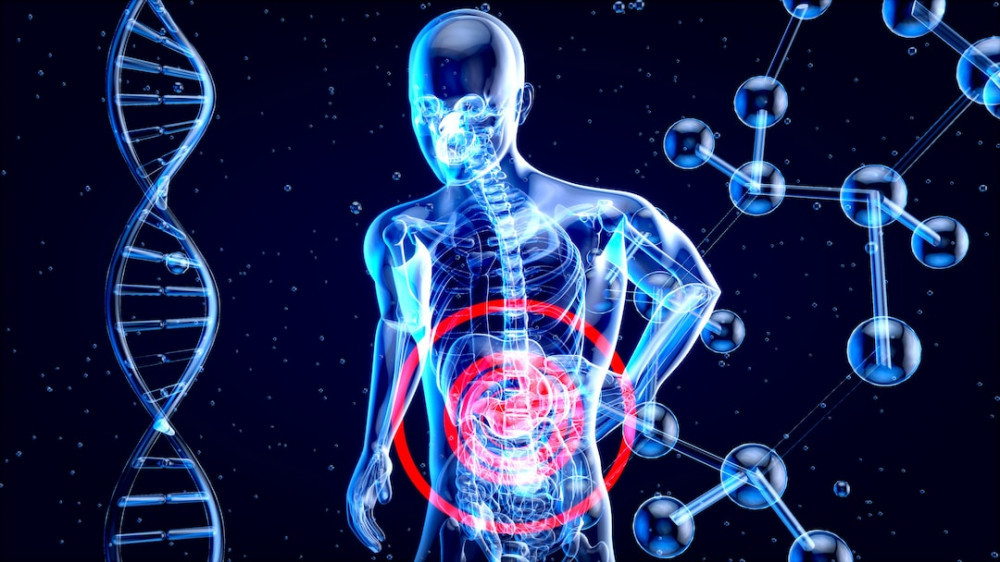
Other causes I have learned about include dehydration, certain nutrient deficiencies like magnesium or chromium, and even changes in the gut microbiome. Some research suggests that the kinds of bacteria living in your gut can actually influence your food cravings (Palmnäs-Bédard, et al).
Starting Out: Small Steps That Help Curb Sugar Cravings
Managing sugar cravings doesn’t mean you have to give up all sweet foods right away. What works for me is gradually adopting new habits that minimize cravings rather than going cold turkey. These are the first few steps that have made a real difference in my life:
- Don’t Skip Meals: Eating regular, balanced meals helps keep blood sugar stable and prevents afternoon or late-night sugar crashes.
- Add More Protein and Healthy Fats: I’ve noticed that meals with chicken, eggs, avocado, nuts, or Greek yogurt keep me satisfied for longer and reduce the urge to snack on sugary stuff.
- Stay Hydrated: Sometimes, when I thought I wanted sweets, I was just thirsty. Drinking water first helps me tell the difference.
- Prioritize Sleep: Lack of sleep increases hunger hormones, so a solid seven to eight hours each night is super important for me.
I find that writing down what I eat and how I feel helps me connect certain habits or moods to my cravings. If I skip breakfast, for example, sugar cravings feel stronger by lunchtime. Keeping a simple food journal might make patterns noticeable to you too.
Quick Guide: Natural Techniques to Quiet Sugar Cravings
Getting control over sugar cravings is totally doable with steady, small changes. Here are natural strategies that have helped me most:
- Eat Balanced Meals and Snacks: Each meal should include a combo of protein, fiber, and healthy fats. For example, I reach for apple slices with almond butter rather than a candy bar.
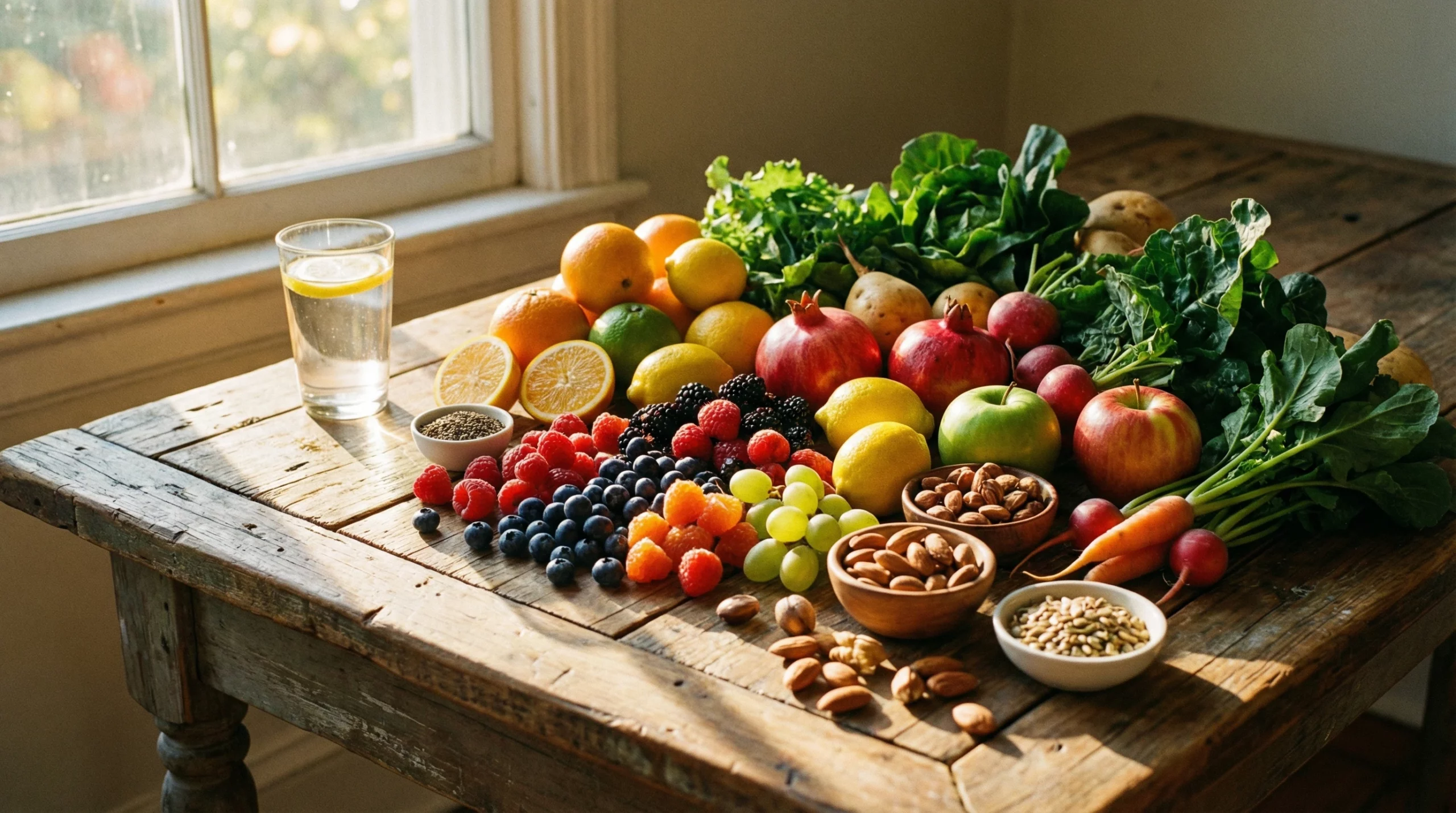
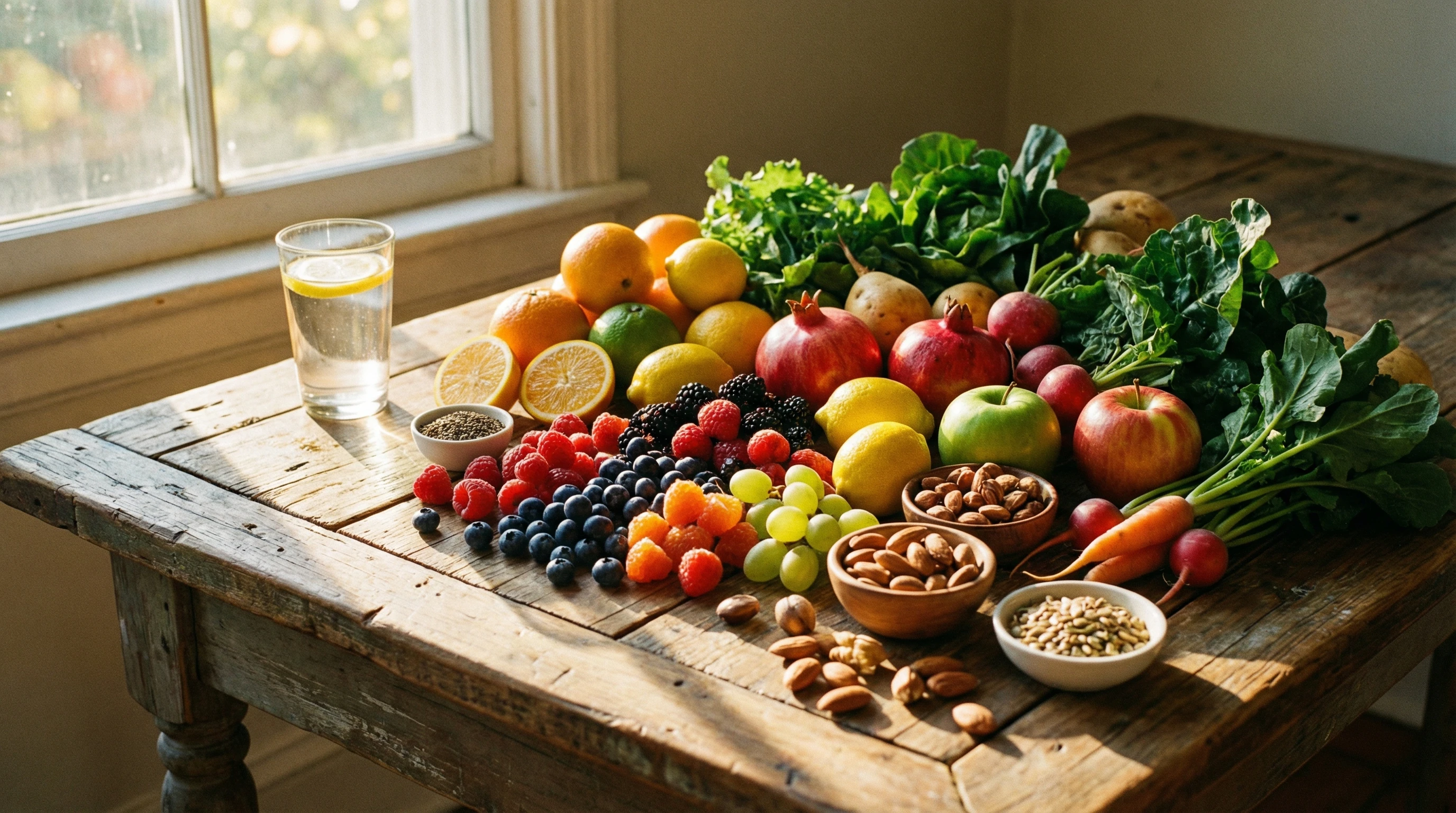
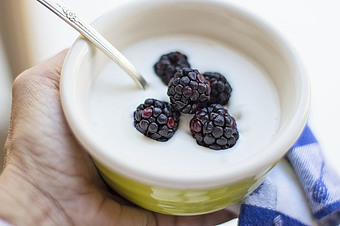
- Opt for Whole, Unprocessed Foods: Oats, fresh fruit, plain yogurt, nuts, and seeds support blood sugar health and keep me full.
- Support Your Gut: Regularly eating fermented foods like kimchi or yogurt often reduces my overall cravings. Research hints that a happy gut can help with sugar intake regulation (Palmnäs-Bédard, et al).
- Find Healthier Sweet Options: If you’re craving something sweet, fruit or a small piece of dark chocolate can satisfy you without starting a sugar binge.
- Reduce Stress Naturally: When my anxiety spikes, so does my need for sweets. Mindful breathing, yoga, or a quick walk works well for me.
Over time, these changes made my cravings less intense and more manageable. I don’t feel the same urge for a sugary pick-me-up every afternoon like I used to. If you’re thinking about these steps, remember that occasional cravings are normal, and improvement comes with patience.
Things to Know Before Attempting to Reduce Sugar Cravings
Making changes to reduce sugar cravings takes patience and some self-awareness. There are a few things I wish I’d known earlier:
- It’s Not All About Willpower: Cravings are influenced by hormones, stress, and biology, so being hard on yourself doesn’t help. Focusing on practical changes works much better.
- Expect Some Withdrawal: When I started cutting back on sugar, I initially felt hungrier and a little irritable. My body adjusted after about a week.
- Watch Hidden Sugars: Flavored yogurts, salad dressings, and many packaged snacks contain sneaky sugars. Reading labels got easier with practice.
- Routine is Your Friend: Keeping my environment stocked with filling, nourishing options kept me on track. If I didn’t plan ahead, old habits crept back fast.
- Progress Isn’t Always Linear: Cravings come and go depending on stress, hormones, and life situations. I remind myself that slipping up isn’t a disaster.
Hidden Sugars
After reading several labels, I realized that many processed foods contain added sugars, even when they don’t taste very sweet. For me, swapping these foods for more whole options like unsweetened oatmeal or nuts helps me cut back without feeling deprived.
Withdrawal Feelings
The first days or weeks can bring headaches or stronger cravings if your body is used to sugar. In my experience, these feelings faded in about five to seven days. Drinking more water and eating fiber-rich foods made things easier.
Emotional Triggers
Cravings often get stronger when emotions are running high. I try to ask myself if I’m hungry or just tired or stressed. If tired, I go for a walk or do a quick stretch instead of heading straight for dessert.
If you can spot your emotional triggers, it becomes easier to break the habit loop. Keeping an eye out for these patterns can help you manage cravings better in the long run.
Sticking with small, consistent changes and allowing plenty of time for new habits to take root has paid off over time. I now crave sweet foods less often, and the cravings feel less urgent. My mood and energy are also more stable, which is a pleasant bonus.
Advanced Tips for Lowering Sugar Intake Naturally
After getting the basics down, adding a few advanced strategies has helped me even more:
Prepare Meals Ahead: When I plan meals and snacks in advance, I’m far less likely to reach for sugar-laden foods out of convenience.
Increase Fiber: High-fiber foods like lentils, beans, leafy greens, and berries slow down sugar absorption and keep me feeling full.
Mind Your Drinks: Sodas and many bottled juices are some of the biggest hidden sources of sugar. I stick to water, herbal teas, or sparkling water with a splash of lemon.
Work with Your Taste Buds: After a few weeks with less sugar, natural foods started tasting sweeter to me. Now, a bowl of berries or a banana tastes like a treat.
Avoid Relying on Artificial Sweeteners: Some studies suggest artificial sweeteners may impact how much you crave sweet foods overall (Tandel).
If you want to dig into these methods further, consider adding more variety to your weekly shopping list. Trying new whole foods, exploring recipes with different seasonings, or batch cooking healthy snacks all make the shift smoother.
Common Questions About Motivating Yourself and Seeing Results
Building new routines always brings up a few questions. Here are ones I had and what I tracked down:
Question: How quickly will I stop craving sugar after starting?
Answer: From my personal experience and what I’ve read, most people notice a difference after the first week. Strongest cravings usually fade within five to ten days. Lasting habits take a few months. Scientific sources like Harvard Medical School agree that taste buds adjust over time with persistent changes (Harvard Health).
Question: What if I have a slip and eat sugar?
Answer: A single day of indulgence doesn’t undo your progress. I try to get back to my normal routine at the next meal without guilt. Over time, your response to slip-ups becomes calmer and more confident. It’s all part of making lasting changes.
Question: Are there any health risks with giving up sugar too quickly?
Answer: Most healthy adults won’t have health risks from cutting back on added sugars, though some people may notice headaches, mood swings, or tiredness at first. Staying hydrated, eating enough, and focusing on nutrient-rich foods make the transition smoother. If you have health concerns, check in with a healthcare provider just to be safe.
References
- About Sugar Addiction (Qin D, et al.)
- Human gut microbiota and glucose metabolism (Marie S A Palmnäs-Bédard, et al.)
- Artificial sweeteners, appetite, and cravings (Tandel)
- Taste bud adaptation (Harvard Health)
I’ve found that with patience and steady effort, it gets much easier to keep sugar cravings in check. Each day brings a little more progress, and every small shift adds up to real change over time. If you’re ready to make the switch, be kind to yourself, experiment with new foods, and celebrate each milestone along the way.







Leave a Reply